
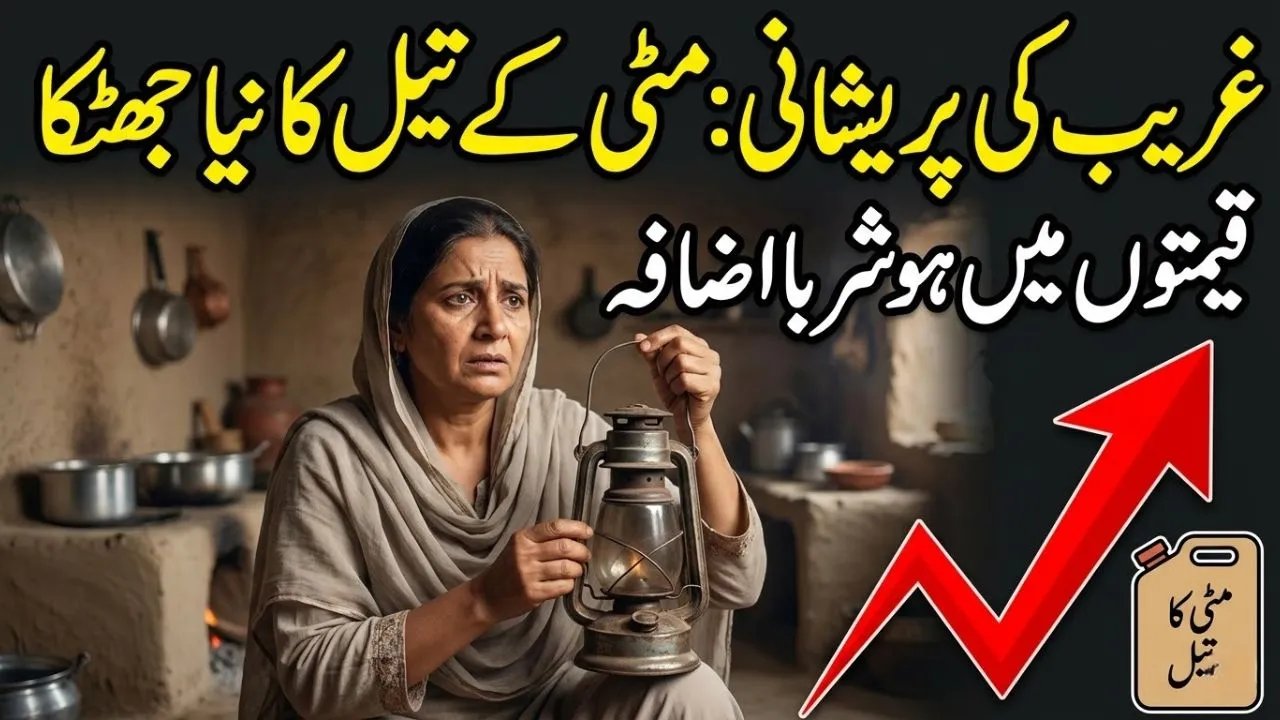
In a major development that is expected to impact millions of households across Pakistan, the federal government has significantly increased the price of kerosene oil by Rs. 70.73 per litre, pushing the new rate to Rs. 428.74 per litre.
The latest notification was issued by the Oil and Gas Regulatory Authority (OGRA) on Friday, confirming that the revised prices have taken effect immediately.
Massive Price Hike Hits Consumers
The sharp increase comes at a time when inflation is already squeezing household budgets. Kerosene oil, often used by lower-income families for cooking, heating, and lighting, will now become significantly more expensive.
- Previous Price: Rs. 358.01 per litre
- Increase: Rs. 70.73 per litre
- New Price: Rs. 428.74 per litre
This sudden jump is expected to create additional financial pressure, particularly in rural and underdeveloped areas where kerosene remains a primary energy source.
Why Has the Price Increased?
According to officials, the price hike is directly linked to ongoing volatility in global petroleum markets. Rising international oil prices have forced adjustments in local fuel rates.
While kerosene prices have been increased, the government has chosen a different approach for other fuels.

Petrol and Diesel Prices Remain Unchanged
Despite the surge in global oil prices, Shehbaz Sharif announced that petrol and high-speed diesel prices will remain unchanged for the current pricing cycle.
To maintain this relief, the government is reportedly absorbing a financial burden of Rs. 45 billion for the next seven days.
This move highlights a targeted strategy—providing relief on widely used transport fuels while adjusting prices of other petroleum products like kerosene.
Impact on Low-Income Households
The increase in kerosene oil prices is likely to hit the most vulnerable segments of society the hardest. Many households, especially in remote areas, rely on kerosene for:
- Cooking daily meals
- Heating during colder weather
- Lighting in areas with limited electricity
With the new price nearing Rs. 430 per litre, affordability will become a serious concern.
Experts warn that this could lead to:
- Increased monthly household expenses
- Shift to alternative (and sometimes unsafe) fuel sources
- Higher cost of living in rural communities
What is Kerosene Oil and Why It Matters?
Kerosene oil is a combustible hydrocarbon liquid derived from petroleum. It is widely used across Pakistan due to its accessibility and versatility.
Apart from household use, kerosene also plays a role in:
- Aviation fuel (jet fuel base)
- Industrial heating
- Emergency energy supply
Its price fluctuations often directly impact energy affordability for the lower-income population.

Economic Balancing Act by the Government
The government’s decision reflects a difficult balancing act:
- Relief on petrol & diesel to control transport and food inflation
- Price increase on kerosene to partially offset rising global costs
However, critics argue that such selective adjustments may shift the burden onto already vulnerable communities.
Final Update
The Rs. 70.73 per litre increase in kerosene oil price marks one of the sharpest hikes in recent months. While the government continues to shield consumers from petrol and diesel increases, the rising cost of kerosene could deepen financial stress for low-income households.
As global oil prices remain unpredictable, further adjustments in fuel pricing may be on the horizon, making it crucial for consumers to prepare for continued volatility.